
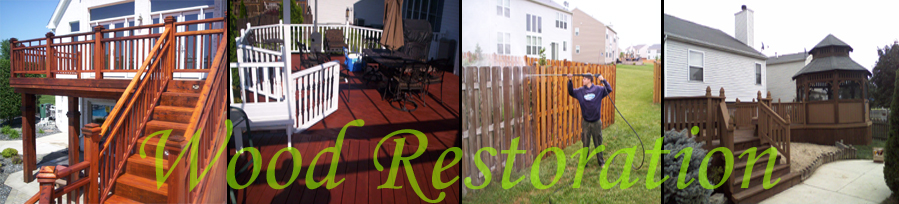

Between 2001 and 2002 news publications such as USA Today announced to the public that a potential health risk existed in their neighborhoods. Pressure treated lumber used in fences, decks, picnic tables, playsets and other outdoor structures was a target of an EPA investigation. Chromated copper arsenate or (CCA), a chemical compound mixture containing arsenic, copper and chromium has been used as a wood preservative since the 1940's. Lumber mills use a high pressure injection system to saturate wood products with these chemicals. The intention is to protect wood from rot, fungi, mold, termites and other pests that can threaten the integrity of wood products. The suspicion was the poisonous chemicals could leach from the wood to the surface when exposed to water. The exposed chemicals could then be transferred by touching the wood. The second concern was soil contamination. Children were the most vulnerable since many playgrounds were made out of PPT (Pressure treated lumber.) 

A lethal dose of arsenic to a 150lb adult is around 42 mg over a days exposure. A child much less. To put this in perspective, an 8 foot long 2x4 contains about 11,000 mg of arsenic. The actual amount on the surface after a rainfall however is extremely low. Hand to mouth transfer could potentially occur within children playing on these structures.  

The EPA has not concluded that CCA-treated wood poses unreasonable risks to the public for existing CCA-treated wood being used around or near their homes or from wood that remains available in stores. EPA does not believe there is any reason to remove or replace CCA-treated structures, including decks or playground equipment. EPA is not recommending that existing structures or surrounding soils be removed or replaced.  

So what should I do about my existing deck or play equipment then?  

From the EPA:

While available data is very limited, some studies suggest that applying certain penetrating coatings (e.g.., oil-based semi-transparent stains) on a regular basis (one re-application per year or every other year depending upon wear and weathering) may reduce the migration of wood preservative chemicals from CCA-treated wood. The EPA's website reports that "while the top two performers were film-forming coatings (e.g.. paints), the other more typical deck treatment products--specifically sealants and stains performed similarly in reducing the amount of dislodgeable arsenic at the surface of the wood." 

The EPA went on to state that film-formers like paint and solid color stains, even though they performed well, were NOT the best choice because of the potential for chipping and flaking. penetrating sealers were the overall preferred solution to the problem. most of the oil-based wood sealers used today are defined as penetrating sealers. 

Various trade and consumer groups, some state governments, and a Science Advisory Panel (SAP) recently convened by the U.S.. Environmental Protection Agency's Office of Pesticides, have made similar suggestions concerning surface coating of CCA-treated wood to reduce potential exposure to chemicals found in this wood. Based on the limited available data, these groups have suggested that applying certain penetrating coatings (for example, oil-based semi-transparent stains) on a regular basis (for example, once a year or every other year depending upon wear and weathering) may reduce the migration of chemicals in the wood preservative from CCA-treated wood. However, in selecting a finish, in some cases, "film-forming" or non-penetrating stains (latex semi-transparent, latex opaque, and oil-based opaque stains) on outdoor surfaces such as decks and fences are not recommended as subsequent peeling and flaking may ultimately have an impact on durability as well as exposure to the preservatives in the wood.  

*portions of the above article taken from the Nov 2005 issue of Cleaner Times

Please read the following FAQ for further information. 

FREQUENTLY-ASKED QUESTIONS ABOUT CCA-TREATED LUMBER AND WOOD PRODUCTS

Larry Jahn, Wood Products Extension (Retired), Dept. of Wood and Paper Science, NCSU

On February 12, 2002, the Environmental Protection Agency (EPA) announced a voluntary decision by industry to move consumer use of treated lumber products away from a variety of pressure treated wood that contains arsenic by December 31, 2003, in favor of new alternative wood preservatives. This transition affects virtually all residential uses of wood treated with chromated copper arsenate, also known as CCA, including wood used in playground equipment, decks, picnic tables, landscaping timbers, residential fencing, patios, and walkways/boardwalks. By January 2004, EPA will not allow CCA products for any of these residential uses. This decision will facilitate the voluntary transition to new alternative wood preservatives that do not contain arsenic in both the manufacturing and retail sectors. Although the Agency has not concluded that there is unreasonable risk to the public from these products, they do believe that any reduction in exposure to arsenic is desirable. This action comes years ahead of completing the Agency's regulatory and scientific assessment of CCA and will result in substantial reductions in potential exposure to CCA. Here, in a brief form, are some of the questions you may have about pressure treated wood used in residential settings during this transition period. 

************************************************************

1. What uses of CCA pressure treated wood are affected by this transition period?

After December 31, 2003, wood treaters will no longer be able to use CCA to treat wood intended for use in decks, picnic tables, landscaping timbers, gazebos, residential fencing, patios, walkways, and boardwalks, and playground equipment. Wood treated prior to this date, however, can still be used in residential settings. Already built structures containing CCA pressure treated wood are not affected by this action. 

2. Does CCA pressure treated wood present any health risks to me or my family?

EPA has not concluded that CCA pressure treated wood poses any unreasonable risk to the public or the environment. Nevertheless, arsenic is a known human carcinogen and, thus, the Agency believes that any reduction in the levels of potential exposure to arsenic is desirable. EPA believes that the voluntary transition to non-arsenical containing wood preservatives for residential sites is a responsible action by the registrants. Concerns have increased that arsenic pentoxide, chromium trioxide or copper oxide released from the surface of CCA pressure treated wood used in playground equipment and decks can harm people or the environment. although experts disagree on the severity of the threat posed to children or other users of pressure treated wood products, many consumers are seeking methods to minimize any risk of chemical exposure. Coatings or sealers are often recommended, but their efficacy in preventing leaching has undergone little evaluation. 

To address this question, researchers at the Forest Products Lab (FPL) recently evaluated the ability of three common coatings to reduce leaching from CCA pressure treated wood. Replicate matched specimens of pressure treated 2 by 6 lumber were given one of the following coatings: (1) latex primer followed by one coat of outdoor latex paint, (2) oil-based primer followed by one coat of oil-based paint or (3) two coats of a penetrating oil semi-transparent deck stain. The specimens were then exposed to 30 inches of artificial rainfall for three weeks. The water running off the specimens was collected and analyzed for preservative components. 

The results were very promising. All three coatings reduced leaching of arsenic pentoxide, chromium trioxide, and copper oxide by over 99% in comparison to uncoated specimens. None of the water collected from the specimens coated with latex or oil-based paint contained any detectable copper, chromium or arsenic. In some cases, water collected from the specimens that were coated with the penetrating oil stain did contain detectable levels, but the highest level of arsenic detected in these samples was still well below the EPA’s drinking water standard. This study suggests that the application of these common coatings is an excellent recommendation for consumers who are worried about chemical exposure from CCA pressure treated wood. For more detailed information on this study contact Stan Lebow, Wood Preservation and Fire Research Work Unit, Forest Products Lab at 608.231.9411 (voice), 608.231.9592 (fax), slebow@fs.fed.us (e-mail). 

It should be pointed out, however, that this test did not address how well these coatings stood up to wear and tear. Previous research on this issue has resulted in the following recommendations when considering the maintenance of a deck. A water repellent preservative (WRP) is the easiest to maintain on a deck. Since WRP’s are considered a penetrating finish, they let the wood breathe and do not peel. They usually last one year. The next best finish is a semi-transparent oil-based stain also considered a penetrating finish. The expected service life of semi-transparent stains is two to three years. Film forming finishes such as paints are prone to fail by peeling and are not recommended for decks due to the issue of higher maintenance. The service life of paints will depend on its abrasion resistance. Although water repellents require more frequent application than other kinds of finishes, the ease of refinishing compensates for the increased frequency of application. 

3. What steps can one take to reduce their potential exposure to CCA?

Here are some common sense tips for minimizing unnecessary exposure to CCA: treated wood should never be burned in open fires, stoves, fireplaces or residential boilers; always wash hands thoroughly after contact with any wood, especially prior to eating and drinking; food should not come into direct contact with any treated wood; always follow the precautions outlined in EPA's Consumer Safety Information Sheet before working with CCA pressure treated wood; apply a coating product to pressure treated wood on a regular basis; and when conducting new construction or repairs, consider the range of alternatives to CCA pressure treated wood. 

4. Should I replace my CCA pressure treated deck or playground equipment?

EPA does not recommend that consumers replace or remove existing structures made with CCA pressure treated wood or the soil surrounding those structures. Concerned citizens may want to take extra precautions, however, by applying a coating to exposed surfaces on a regular basis. 

5. How can I tell if my deck has been constructed with CCA pressure treated wood?

Freshly treated wood, if not coated, has a greenish tint, which fades over time. As a practical matter, CCA has been the principal chemical used to pressure treat wood for decks and other outdoor uses around the home. Generally, if your deck has not been constructed with redwood or cedar, then most likely the deck was constructed with CCA pressure treated wood. Alternatively, if you know who constructed the deck, you may want to call and ask. 

6. What alternatives to CCA pressure treated wood will be available?

The wood treating industry continues to research and test safe, effective wood preservatives. Two wood preservatives are now being marketed as substitutes for CCA pressure treated lumber. These include Ammoniacal Copper Quat Type B (ACQ-B) and Copper Azole Type A (CBA-A). Although these alternatives are considered to be more environmentally friendly than CCA, they are more difficult to obtain due to a very small market share. This results in a higher priced product. However, this situation is expected to change since the alternatives will increase

their market share in the coming years. In addition, untreated wood (cedar and redwood) and non-wood alternatives, such as plastics, metal, and composite materials are available. For more information concerning the availability of alternative products contact your local lumber retailer. 

7. Where can I obtain additional information on CCA pressure treated lumber?

For additional information, visit the sites listed below:
http://www.epa.gov/epahome/headline_021202.htm
http://www.epa.gov/pesticides/citizens/cca_transition.htm
http://www.epa.gov/pesticides/citizens/cca_qa.htm
http://natural-resources.ncsu.edu/rrs/cca_play.html


Back to top